
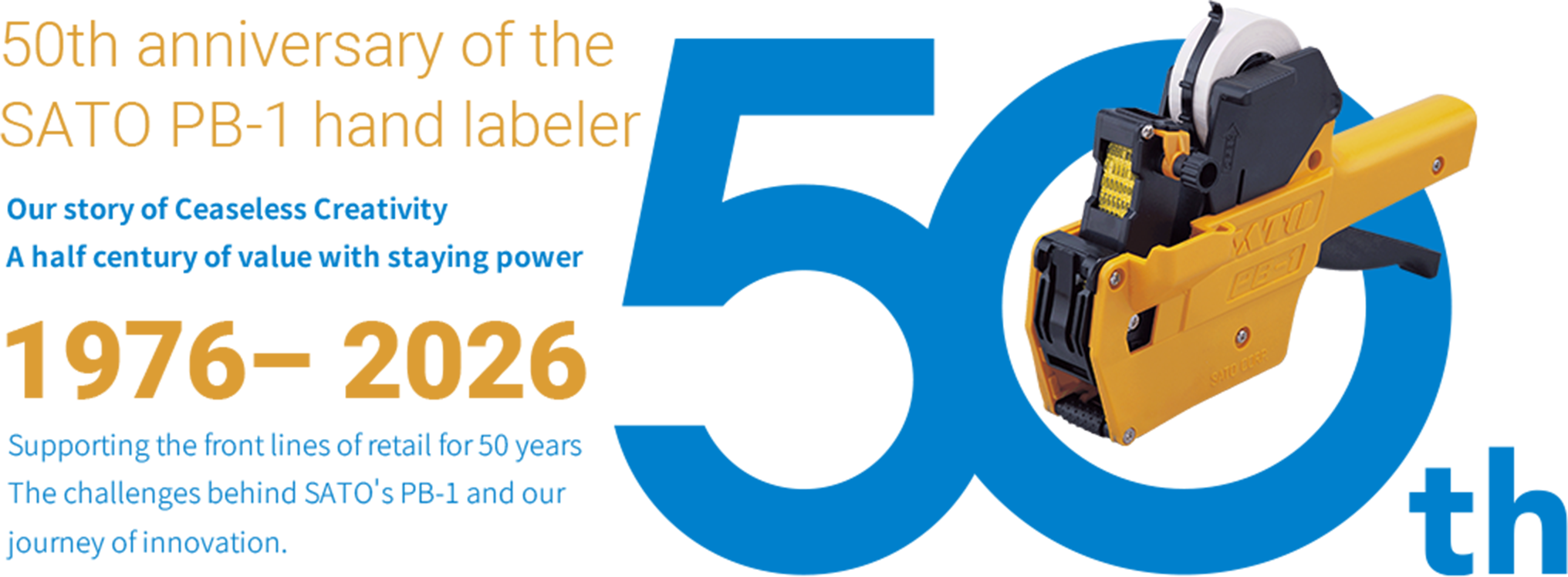
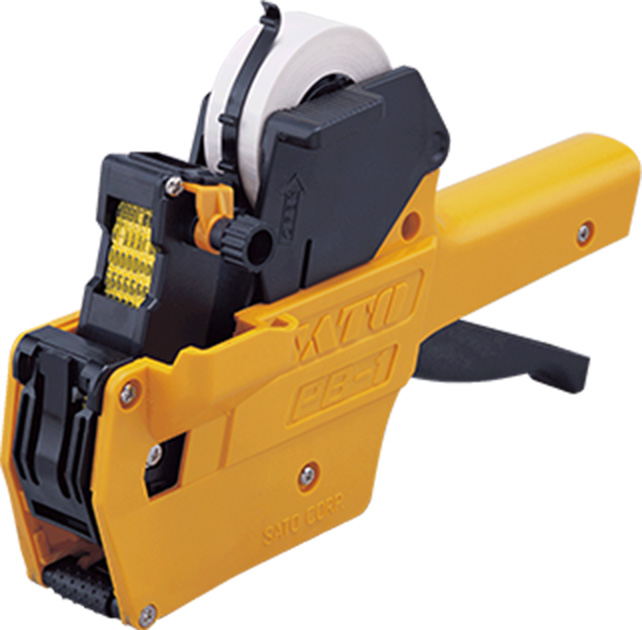
SATO PB-1 hand labeler
Our story of Ceaseless Creativity
A half century of value with staying power
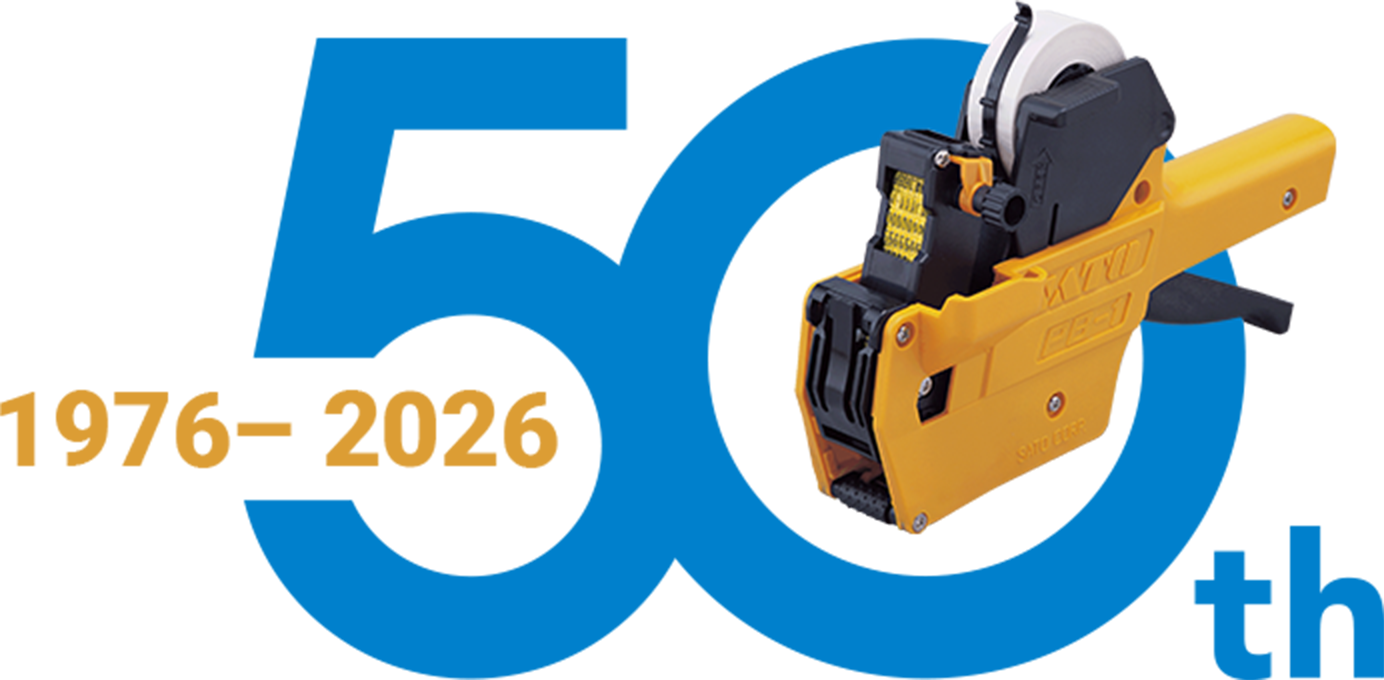
Supporting the front lines of retail for 50 years
The challenges behind SATO's PB-1 and our journey of innovation.
01 THE ORIGIN A small challenge that started on the retail floor
In the 1970s
With a flood of new products, staff had to put stickers on each item, one by one.
Hand labelers at the time had many metal parts.
Could SATO provide a lighter, more durable product?
We focused on in-store operations to consider new possibilities
This is the spark that led to the SATO PB-1

02 ENGINEERING - 1976 Turning ideas into reality
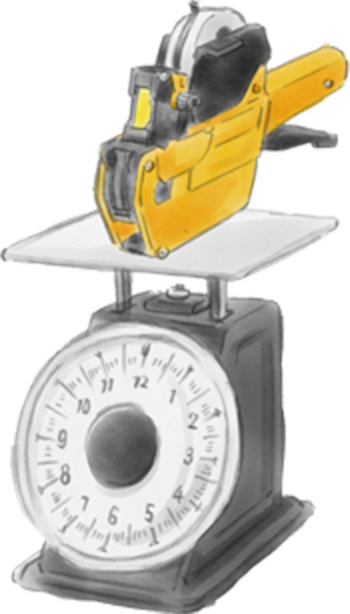
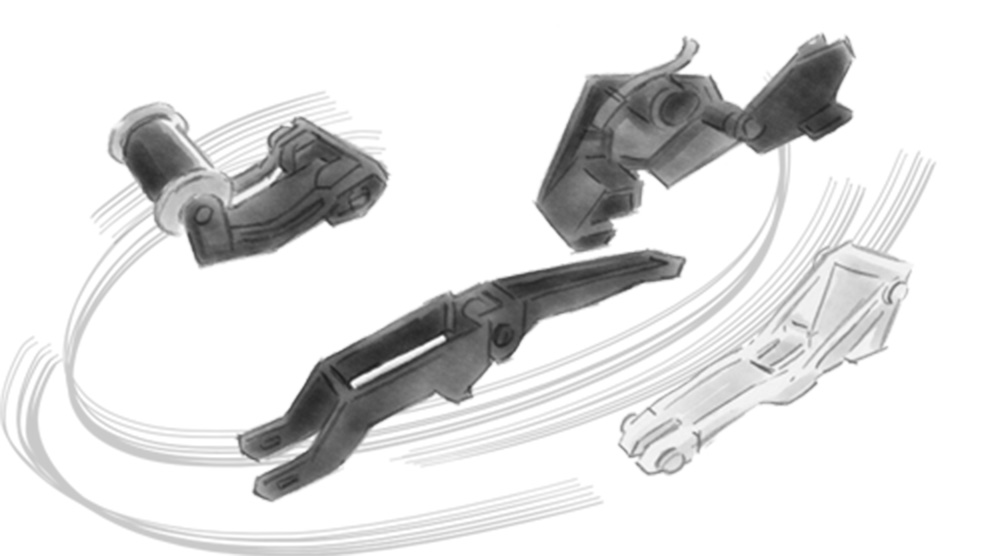
PB-1 reduced the part count to about one-quarter of earlier models.
It was designed with plastic parts to be lighter and more durable.
Metal parts require a more complex production process, including machining after forming.
SATO reconsidered the design itself to make it simpler. We changed materials, tested and improved the design.
Through trial and error, the fundamental design philosophy that lives on in today’s hand labelers began to take shape.


03 PROOFー 1976–2026 50 years on the front lines
Over the past 50 years, technology and society have changed dramatically.
POS systems and barcodes became widespread, transforming the way products and information are managed.
Yet hand labelers are still used in workplaces around the world today.
- Marking prices.
- Managing food expiration and freshness.
- Marking food origins and more.

Putting the information you need directly on the item,
right where it is needed.
Sometimes keeping things simple is best.

Supporting operations around the world for 50 years
The times may change, but the need to reliably deliver the right information at the point of use remains.
Hand labelers built on the legacy of the SATO PB-1 continue to fulfill that role today.
04 VOICES FROM THE BEGINNING Then and now, told by those in the know
A product's story cannot be told through specifications alone.
We spoke with employees involved with the SATO PB-1 and hand labelers over the years about their development, their markets, and why they have remained in use for half a century.

“SATO's PB-1 laid the foundations"
Before the SATO PB-1, hand labelers used many metal parts which required more steps to produce.
With PB-1, we significantly reduced the number of parts and set out to create an all-plastic design.
But things never go as planned.
In the early days, plastic parts would break, so more flexible materials were required.
Drop tests were conducted to find the right balance between weight and durability.
The resulting design principles became standard in future models.

"Hand labelers are deeply connected with national culture."
Label size, shape and text formatting vary by country and sector.
It is important that they look and feel familiar to actual users.
So, it's less about the product itself but how it caters to the needs of each sector and user.
I believe this sustained attention to local needs is one reason SATO hand labelers have remained in use for so long.

"Still in use a half century later."
There is a lot of turnover of products and technologies over a half century.
When POS and barcodes became the standard, many thought the hand labeler was finished.
Yet they are still used around the world in retail and agriculture and for food safety.
Not every task needs to be replaced by a sophisticated system.
Sometimes the best approach is simply to give items information that people can understand.
This is what some users of the hand labeler need.

“What has not changed is the need to tag things with information.”
In the past, retailers printed prices and dates to be read by people.
Today, barcodes, RFID, printers and software have transformed how information is attached, read and used.
But the principle remains the same: tag items with the information it needs to inform the next action.
That thinking, which began with hand labelers, continues in SATO's tagging approach and auto-ID solutions today.
05 FROM PB-1 TO TODAY A simple product with timeless value

50 years later
The technology used to attach information, and the ways that information is used, have evolved dramatically.
From hand labelers to label printers.
And on to barcodes, RFID, and software.
SATO continues to identify challenges on-site and find ways to connect people, things and information.
more sustainable future.
